



Caption: “President Trump displays the freshly signed One Big Beautiful Bill, signature prominently visible, following the Independence Day signing ceremony.”
— Official White House image from CNN Newsource
Welfare is like a cash advance store. When you’re living paycheck to paycheck, once you start relying on it, it’s nearly impossible to stop. It keeps you afloat—but barely. And like payday lending, the structure of the system traps you in survival mode. It doesn’t free you. It keeps you coming back.
With the One Big Beautiful Bill (OBBB) now signed by President Trump, Democrats are once again claiming conservatives are “attacking the poor” by pushing for work requirements and benefit consolidation. But here’s the truth:
This isn’t about cutting help. It’s about fixing a broken system that punishes marriage, discourages work, and quietly incentivizes single motherhood. If we want a safety net that actually works, we need to rebuild it to support families—not sideline them.
Welfare reform isn’t cruel. It’s necessary to preserve the system, restore dignity, and push people out of poverty instead of trapping them in it. Right now, our welfare system offers more aid to single mothers than it does to low-income married couples. That’s not an attack—it’s just math. Here’s how it works:
A single mother can qualify for food stamps, housing, Medicaid, and cash assistance.
If she marries a working man—even one earning modest wages—the combined income pushes her over eligibility thresholds, and her benefits drop or vanish.
This creates a “marriage penalty” that actively discourages two-parent households and rewards fatherlessness with more money and more support.
It’s not just bad policy. It’s backwards moral engineering.

What needs to change, and how do we fix it? The system needs to change with a common sense and compassionate approach. Many family’s have developed generational reliance on welfare, so when we make changes to get people away from it, it has to be done in a manner that doesn’t shock their financial stability.
First, taper benefits gradually, not abruptly. Use a sliding scale so that benefits decrease as income rises, rather than disappearing all at once. Families shouldn’t be punished for working more or forming stable households. But by abruptly cutting benefits, families will immediately struggle. Give them a chance to factor in their benefits shrinking.
Second, eliminate the marriage penalty and offer “marriage bonuses” through tax credits. Also, allow a 2–3 year grace period for newly married couples before benefits are recalculated. We should encourage unity and don’t penalize it.
Third, support fathers and don’t push them out. Reform child support enforcement and offer job training, fatherhood programs, and tax breaks for co-parenting dads. A welfare system that isolates fathers creates dependency—not stability.
Fourth, simplify and consolidate welfare programs. Too many overlapping benefits create confusion and traps. Streamlining them into one unified system tied to employment and household size would increase efficiency and reduce abuse.
What the Data Shows is that over 50% of low-income households experience marriage penalties in benefits like EITC and Medicaid. Studies show these penalties discourage marriage—especially among Black and Hispanic families.
When work requirements were introduced in the 1990s, employment increased, and so did family formation. Reform can work.
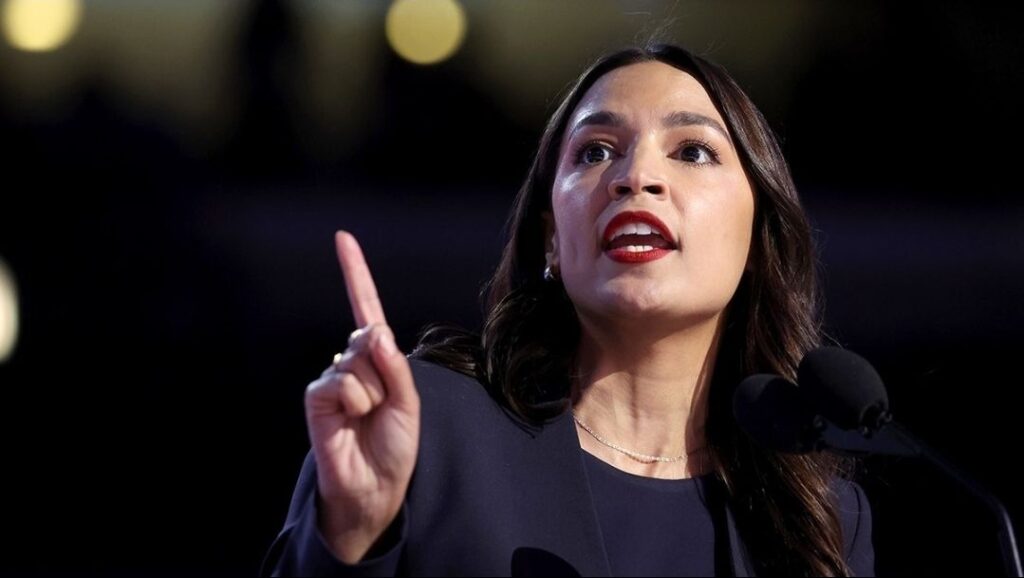
The moment Republicans propose work incentives, tapering reforms, or benefit restructuring, the left trots out the same script: “You’re attacking the poor.” But screaming about cuts while protecting a broken model isn’t compassion—it’s cowardice.
If your system rewards single parenthood, punishes marriage, and traps people in dependency, it doesn’t matter how well-funded it is. It’s still broken. Reform is not about cruelty. It’s about giving people a ladder instead of a leash.
The only path forward is to build a system that rewards family and work. If we want to preserve welfare, we must rebuild it around what actually lifts people up. And that is stable families, meaningful work, community-driven support, and upward mobility. Letting people stay trapped just to preserve political narratives is the real injustice.
The OBBB opens the door to smarter, tougher welfare reform. That’s why the left is panicking—it threatens the dependency machine. But this isn’t about left vs. right. It’s about survival vs. stagnation. Welfare reform done right doesn’t hurt families—it builds them. It doesn’t punish poverty—it frees people from it. And it doesn’t end the safety net—it saves it from collapse.
It’s time to stop pretending that compassion means keeping people poor. Real compassion tells the truth—and rebuilds the path out.