
Credit: Photo by WUSF Public Media / Carl Lisciandrello, used under public domain / editorial license
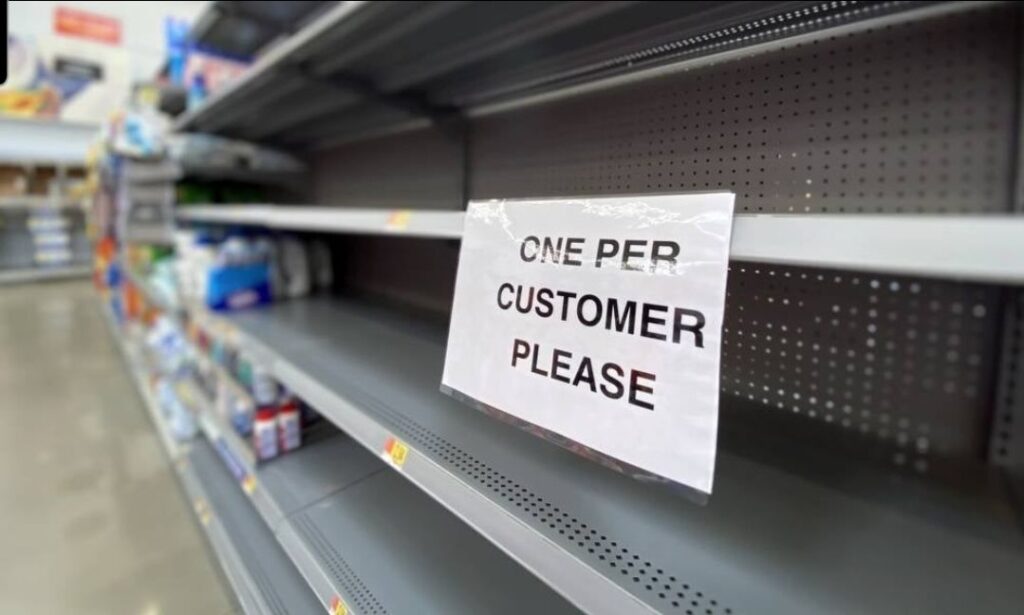
It starts with a single strike. Tensions in Kashmir reach a boiling point. A skirmish becomes a standoff, then a launch. In under six minutes, India and Pakistan exchange nuclear fire. Shockwaves ripple through the region—millions dead, cities irradiated, trade routes paralyzed. The international community scrambles, but it’s too late. No summit, sanction, or press conference could have stopped the chaos once it began. In the U.S., we wake up to empty pharmacy shelves, missing electronic components, fuel price spikes, and shipping backlogs. Again.
If this sounds like a doomsday fantasy, it’s not. It’s a warning. Because the moment a global catastrophe—whether nuclear, biological, economic, or cyber—erupts, the question won’t be which party has power. The question will be: is America ready to survive it?
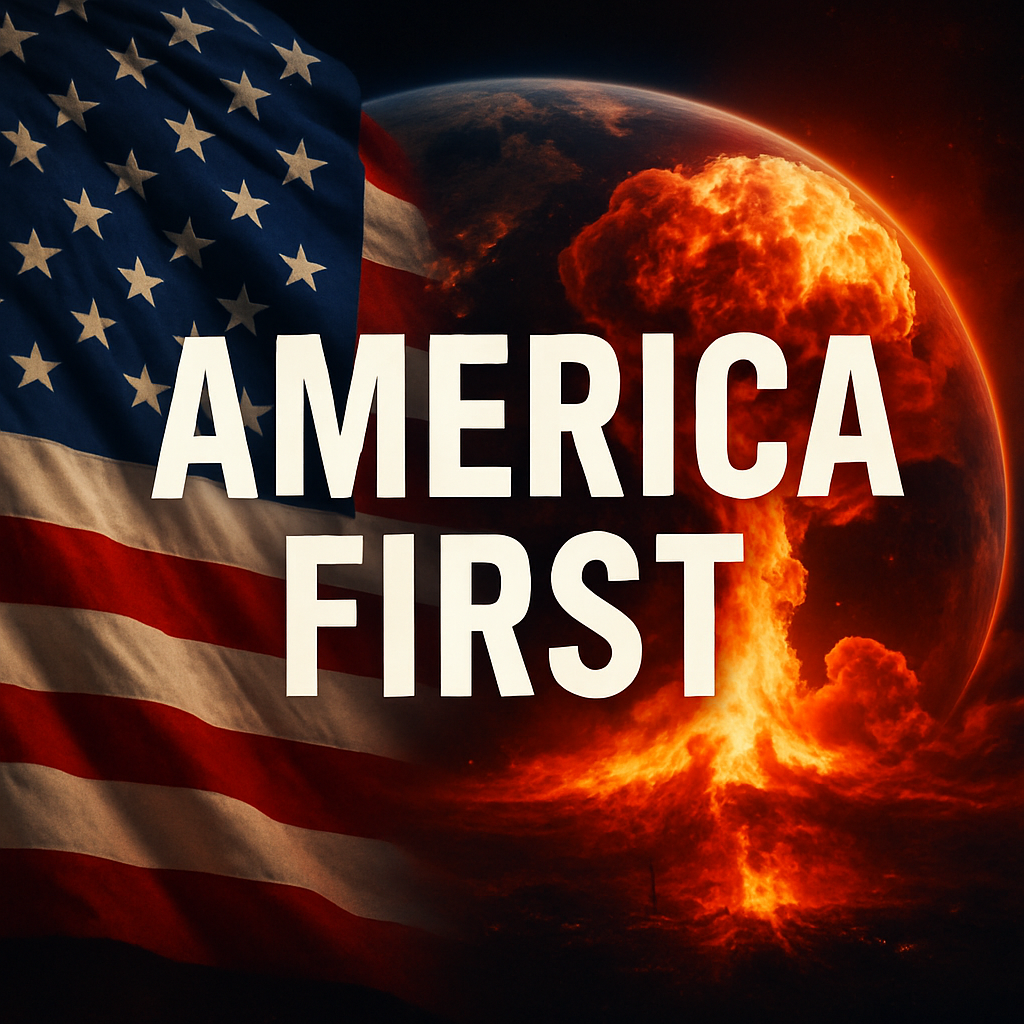
The phrase America First has been dragged through the mud, caricatured by critics, and dismissed as xenophobic or isolationist. But when stripped of the headlines and hysteria, it’s a simple doctrine:
Secure your nation first. Make your people the priority. Build strength at home so you’re not begging abroad.
This isn’t about flags on hats or chants at rallies—it’s about national resilience. And the left’s relentless attacks on this principle ignore the reality we all lived through not long ago: COVID-19.
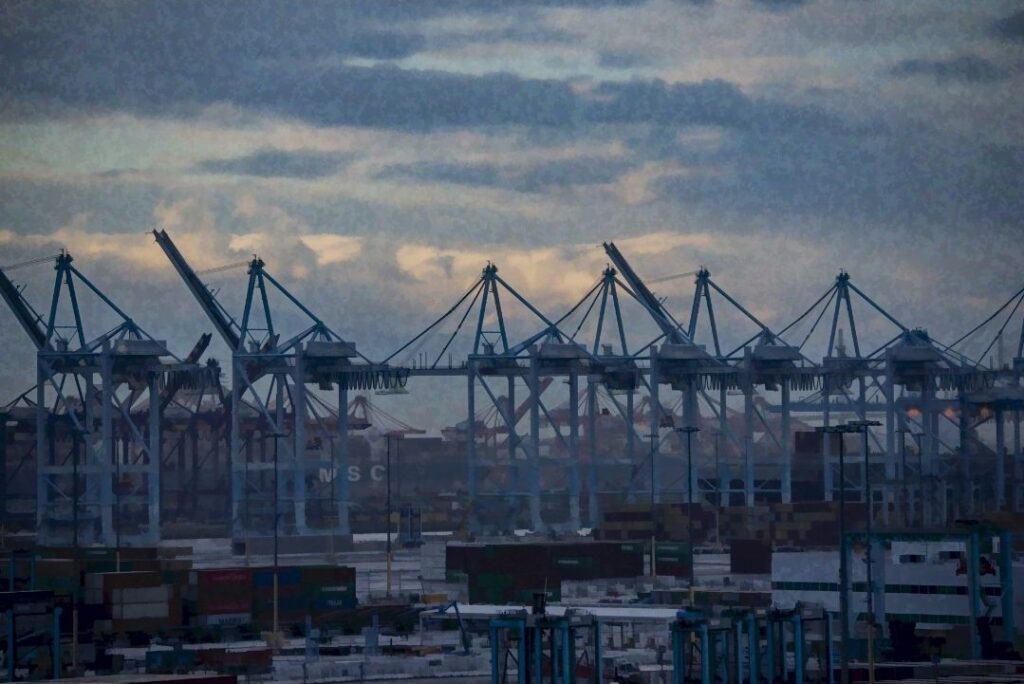
When the pandemic hit, we discovered just how dependent we were. Americans couldn’t buy masks, gloves, or medicine without waiting on shipments from China. Car factories shut down over a chip shortage. Grocery stores ran out of staples. Even hospitals faced rationing because essential medical supplies were made overseas.
Credit: Reuters / Lisa Baertlein for gCaptain (public domain excerpt)
This wasn’t a partisan failure. It was a strategic one. And it exposed a hard truth: globalism left us vulnerable.
America First would have meant producing PPE here. Stockpiling medicine here. Manufacturing semiconductors, steel, and antibiotics here. We would’ve had redundancy, not dependency.
The left likes to mock America First as if it’s a relic of Cold War paranoia. But real threats don’t care if you voted red or blue. Whether it’s a war in the Pacific, a solar flare wiping out satellites, a cyberattack on financial systems, or another pandemic—the world can turn upside down overnight.
And when it does, we can’t outsource survival. We can’t import sovereignty. We need supply chains that don’t cross oceans. We need food, fuel, and medicine that don’t require international favors. We need energy independence, secure borders, and a defense industry that doesn’t rely on Chinese rare earth minerals.
That’s America First. Not as a bumper sticker. As a firewall.
Credit: BackwardFashion.com, from a vintage Nike T‑shirt tag
Critics of America First frame it as selfish. But putting your country’s needs first is not selfish—it’s sane. Every other country does it without apology. We just branded it politically, and that made it controversial.
But ask yourself: what happens if we don’t?
What happens when the next catastrophe hits and we’re still waiting on cargo ships?
This isn’t about partisanship. It’s about preparation. America First isn’t a Trump policy—it’s a survival policy. It’s the realization that you can’t help others if your house is on fire.
When the world burns, America can either be a shelter—or another casualty.
And that choice starts now.