
Slavery was one of the worst atrocities in human history. It stripped human beings of freedom, dignity, and self-determination. It deserves to be remembered with honesty and weight—not exploited by political parties chasing votes.
And yet, in today’s political climate, that’s exactly what the modern Democratic Party has done:
They have turned slavery—not its truth, but its pain—into a weapon.
Not to heal. Not to educate. But to control. To coerce black Americans into political loyalty. To guilt white Americans into silence. To turn history into leverage.
But the facts tell a very different story. And those facts matter more than slogans ever will.
The Civil War Was About States’ Rights—Not Just Slavery
The narrative goes like this:
“The South seceded to defend slavery. The North fought to end it. Lincoln was a liberator. Lee was a traitor. And that’s the whole story.”
That’s not history. That’s propaganda.
The real cause of the Civil War was states’ rights—a layered, legal, and constitutional fight over who held power: the federal government or the sovereign states.
What were those rights? The right to secede from the Union without being invaded. The right to set and control local laws and economic policies. The right to protect one’s borders, industry, and culture without Washington dictating terms.
And yes—slavery was a major one of those states’ right issues. But there were other issues like:
Massive economic imbalances from tariffs like the Morrill Tariff, which taxed Southern ports and spent the profits in the North. Over 80% of tariffs were paid by the South while 90% of tax money was spent in the North.
Southern demands for independence, especially after Lincoln called up troops to force seceding states back into the Union. Or when Lincoln sent federal troops to arrest the Maryland State Legislature to prevent them from voting on secession.
Constitutional fears over the expansion of federal power and the suspension of habeas corpus.
If the war was about ending slavery, why did four Union states still have slavery throughout the war? Why didn’t Lincoln free those slaves? Why did he say himself:
“If I could save the Union without freeing any slave I would do it”?
The South had threatened to secede previously because of tariffs, which forced Congress to reduce tariffs on imported goods. But the South was quiet when the US was attacking the Trans-Atlantic Slave trade and helped shut it down. If slavery was so important, why did they stay silent when the government shut off the source of new slaves?
The Irony the Left Won’t Touch
The Democratic Party—the one that cries the loudest about slavery—was the party of slavery.
It was the Democrats who ran the Confederacy.
The Democrats founded the KKK.
The Democrats passed and enforced Jim Crow laws.
The Democrats opposed the Civil Rights Act of 1964.
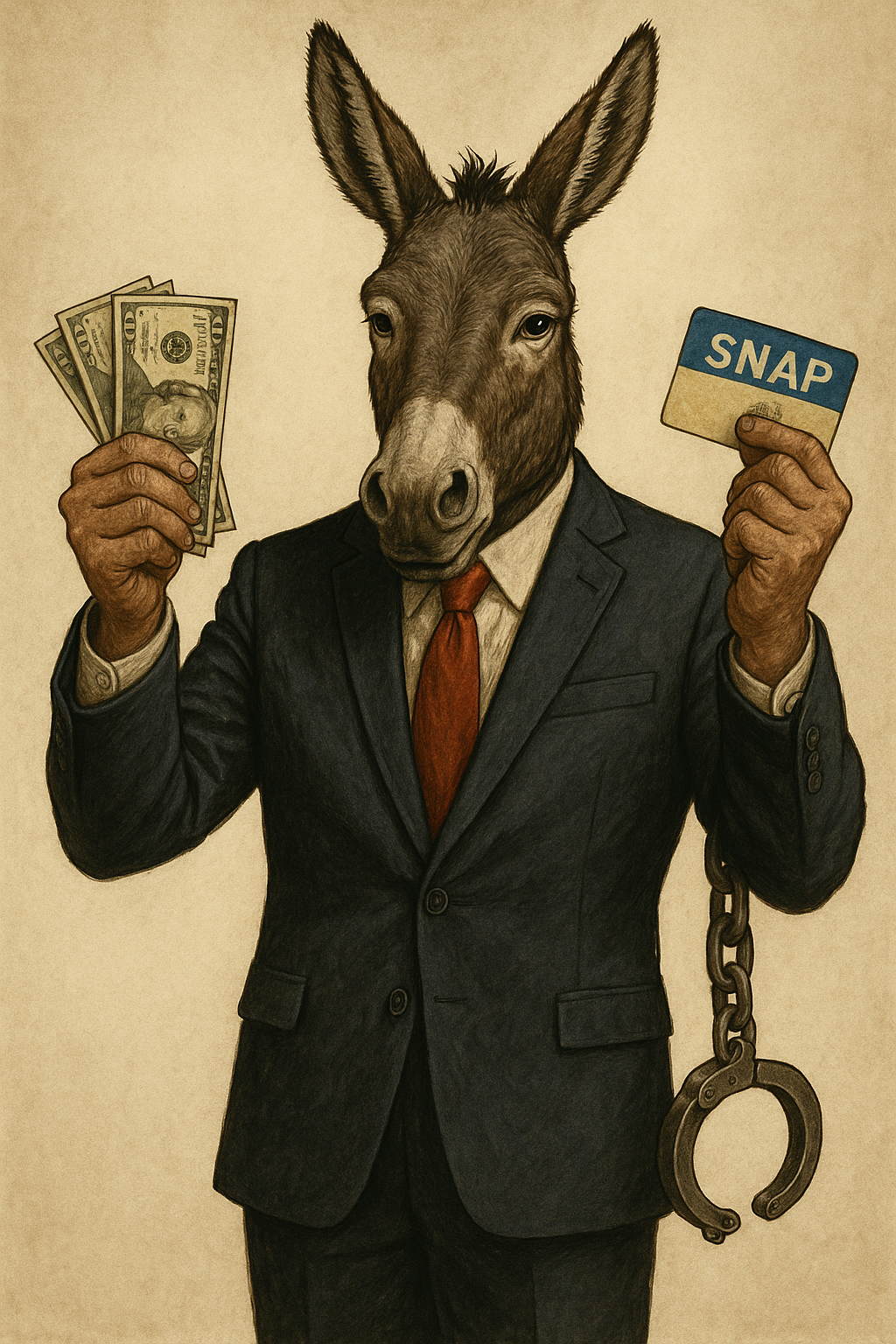
And today, they’ve simply swapped open racism for the soft racism of low expectations:
That black Americans can’t get an ID.
That standards should be lowered.
That independence is “white supremacy.”
That’s not progress. That’s modern plantation politics.
Slavery Was Not Uniquely American—Nor Was It Uniquely White
Slavery existed for thousands of years before America—and in fact, America inherited slavery from Africa.
African kingdoms like the Ashanti, Dahomey, and others captured rival tribes and sold them into slavery—first to Arabs, then to Europeans. Slavery was an African institution long before it was an American one.
Even in America:
The first lifelong slave in colonial law was the result of a lawsuit filed by a black man, Anthony Johnson, who argued in 1655 that another black man was his property for life—and won.
Thousands of free black Americans owned black slaves, some in large numbers.
Native American tribes like the Cherokee and Creek owned slaves and fought for the Confederacy to keep them.
Today, there are over 9 million slaves in Africa—more than ever existed in the U.S. If reparations are owed, maybe they should start where the trade began.
“40 Acres and a Mule” and the Truth About Reparations
You’ve heard the myth:
“The U.S. promised freed slaves 40 acres and a mule, then broke its promise.”
Here’s the truth:
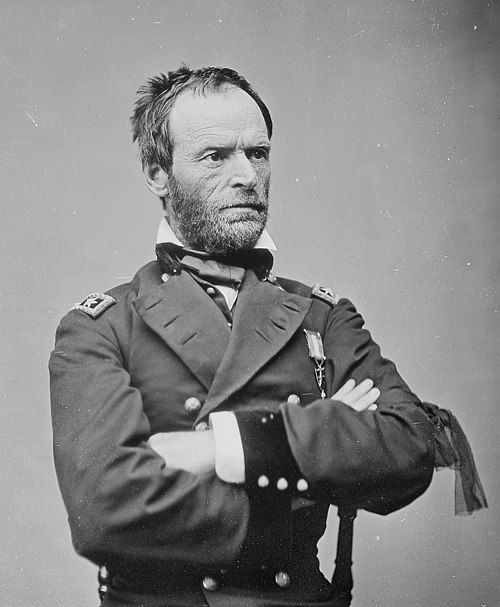
That “promise” was never federal law. It came from Union General William T. Sherman’s Special Field Order No. 15, issued during the war to clear freedmen off his supply lines and assign them confiscated Confederate land.
It was a military tactic, not a legislative guarantee. After the war, President Andrew Johnson rescinded the order and returned the land. There was no congressional law guaranteeing land or reparations.
So when modern Democrats invoke “broken promises” and demand cash reparations, they’re relying on fiction, not fact. What they’re really doing is selling resentment, not justice.
The North Was Not Morally Superior
The myth of a noble, anti-racist North vs. a cruel, racist South doesn’t hold water. Lincoln had supported colonizing freed slaves to Africa and the Caribbean. Illinois had banned free blacks from entering. Ulysses S. Grant personally owned a slave. Northern states enforced Black codes and segregated schools long before the South made it law.
The truth? Everyone was racist by modern standards. White Southerners. White Northerners. Even many abolitionists didn’t believe in black equality—they just didn’t want slavery as an institution.
Robert E. Lee: A Man of Principle, Not Hate
The modern portrayal of Robert E. Lee as a traitorous racist is shallow and dishonest. Lee opposed secession and turned down command of the Confederate Army, only joining when Virginia—his home—seceded.
He inherited slaves through his wife’s estate, eventually fulfilling the legal obligation to free them and risked capture to do so. He educated slaves in secret, breaking Virginia law. And he trusted a black woman, Selina Gray, to protect and return his most valuable possessions—including George Washington’s portrait—to Union officers.
Lee’s view of slavery was this:
“A moral and political evil… but it should be abolished gradually and by the people themselves.”
That was not radical, but it was honest and humane by the standards of his time.
The Left Doesn’t Want Truth—It Wants Leverage
Every election season, the same game begins:
Dredge up slavery.
Shout “racism.”
Attack America’s founding.
Guilt-trip black Americans into staying loyal.
Meanwhile, they erase their own role in slavery, segregation, lynchings, and systemic racial division—and pretend they’ve always been on the side of justice. They haven’t. They just swapped the whip for dependency, the chains for entitlements, and the plantation for the voting booth.
Yes, slavery was evil. Yes, its effects still echo. But exploiting that evil to manipulate voters is a disgrace of its own. Truth matters. History matters. And the American people—black, white, and every shade between—deserve better than being played by a party that weaponizes guilt instead of promoting truth.
If we’re going to talk about slavery, let’s talk about all of it—not just the parts that get votes.